
Watering guide
Keep it green—without wasting blue
You don’t need a green thumb to keep your grass healthy. Simply follow this guide.
This guide assumes heavy clay soil, which is the most common in IRWD’s service area. Additionally, keep in mind that the watering times suggested are the maximum amount of time you’ll need for full sun areas.
Start with this schedule and adjust the times only if your plants show signs of stress. If stress occurs only in isolated areas, check the operation of your irrigation system before adjusting times.
The guide recommends “cycling and soaking” your landscaping. “Cycle and soak” means that your sprinklers turn on for a period of time, then turn off to allow the water to soak in, and finally turn back on again. This is a better way to water because it eliminates water run-off and allows water to soak deeper into the roots of your plants, resulting in healthier root growth.
Please consult your irrigation controller owner’s manual for simple instructions on “cycling” your watering schedule.
Spray head irrigation schedule
For standard spray head irrigation systems
The following chart suggests a weekly schedule for spray head irrigation, assuming heavy clay soils common to most local coastal and foothill areas. Generally, these are the MAXIMUM times you will need for full sun areas. Start with this schedule and increase the times only if your plants show signs of stress. If stress occurs in isolated areas, check your irrigation system for leaks or coverage gaps before increasing watering times.

En Espanol
Horarios de riego por goteo
Horario de riego semanal sugerido
Wondering what the percentages are about? Some irrigation controllers allow you to adjust the amount of water by adjusting a seasonal percentage control. You can automatically reduce all of your watering schedules by 30% if you have that option on your controller.
| Month | Turfgrass | Drought tolerant trees, shrubs & groundcover | % Option** |
|---|---|---|---|
| January | 2 days, 2 cycles of 2 minutes | 1 day, 2 cycles of 3 minutes | 30% |
| Febuary | 2 days, 2 cycles of 2 minutes | 1 day, 2 cycles of 3 minutes | 30% |
| March | 3 days, 2 cycles of 3 minutes | 2 days, 2 cycles of 3 minutes | 50% |
| April | 3 days, 2 cycles of 4 minutesh | 2 days, 2 cycles of 4 minutes | 70% |
| May | 3 days, 3 cycles of 3 minutes | 2 days, 3 cycles of 3 minutes | 80% |
| June | 3 days, 2 cycles of 5 minutes | 2 days, 3 cycles of 3 minutes | 90% |
| July | 4 days, 3 cycles of 3 minutes | 2 days, 3 cycles of 4 minutes | 100% |
| August | 4 days, 3 cycles of 3 minutes | 2 days, 3 cycles of 4 minutes | 100% |
| September* | 4 days, 2 cycles of 3 minutes | 2 days, 3 cycles of 4 minutes | 70% |
| October* | 3 days, 2 cycles of 3 minutes | 2 days, 3 cycles of 3 minutes | 50% |
| November* | 2 days, 2 cycles of 3 minutes | 1 day, 2 cycles of 4 minutes | 40% |
| December | 2 days, 2 cycles of 2 minutes | 1 day, 2 cycles of 3 minutes | 30% |
* In September, plants’ water needs drop by approximately 30 percent even if the temperature is hotter, because the days are shorter, so evaporation decreases. Also, plants are entering a dormant phase where they need less water. In some years, humidity is also higher, increasing your level of discomfort, but decreasing plants’ water needs as it slows the rate of evaporation. This rapid drop in water needs will continue in October and November.
** The % option, set with either a button or a dial, permits the watering run times for all irrigation system valves managed by an electronic controller to be increased or decreased with just one adjustment by percentage.
Inline emitter dripline systems
Standard Dripline System – 12” & 18” Emitter Spacing
| RAINBIRD XFD | Emitter spacing 18” Row Spacing 18” 0.6 GPH/PR=0.43” | Emitter spacing 12” Row Spacing 18” 0.9 GPH/PR=0.96” | % Option** |
|---|---|---|---|
| Month | Drought Tolerant Plants (Moderate Water Use Kc = .5) | Drought Tolerant Plants (Moderate Water Use Kc = .5) | |
| January | 1 day, 1 cycle of 50 minutes | 1 day, 1 cycle of 22 minutes | 30% |
| Febuary | 1 day, 1 cycle of 56 minutes | 1 day, 1 cycle of 25 minutes | 30% |
| March | 2 days, 1 cycle of 39 minutes | 2 days, 1 cycle of 17 minutes | 50% |
| April | 2 days, 1 cycle of 47 minutes | 2 days, 1 cycle of 21 minutes | 70% |
| May | 2 days, 1 cycle of 56 minutes | 2 days, 1 cycle of 25 minutes | 80% |
| June | 3 days, 1 cycle of 37 minutes | 3 days, 1 cycle of 16 minutes | 100% |
| July | 3 days, 1 cycle of 38 minutes | 3 days, 1 cycle of 17 minutes | 100% |
| August | 3 days, 1 cycle of 39 minutes | 3 days, 1 cycle of 17 minutes | 100% |
| September* | 2 days, 1 cycle of 48 minutes | 2 days, 1 cycle of 2 minutes | 70% |
| October* | 2 days, 1 cycle of 27 minutes | 2 days, 1 cycle of 16 minutes | 50% |
| November* | 1 day, 1 cycle of 54 minutes | 1 day, 1 cycle of 24 minutes | 40% |
| December | 1 day, 1 cycle of 44 minutes | 1 day, 1 cycle of 20 minutes | 30% |
| RAINBIRD XFD | Emitter spacing 18” Row Spacing 18” 0.4 GPH/PR=0.43” | Emitter spacing 12” Row Spacing 18” 0.6 GPH/PR=0.65” | % Option** |
|---|---|---|---|
| Month | Drought Tolerant Plants (Moderate Water Use Kc = .5) | Drought Tolerant Plants (Moderate Water Use Kc = .5) | |
| January | 1 day, 1 cycle of 72 minutes | 1 day, 1 cycle of 33 minutes | 30% |
| Febuary | 1 day, 1 cycle of 80 minutes | 1 day, 1 cycle of 37 minutes | 30% |
| March | 2 days, 1 cycle of 56 minutes | 2 days, 1 cycle of 26 minutes | 50% |
| April | 2 days, 1 cycle of 67 minutes | 2 days, 1 cycle of 31 minutes | 70% |
| May | 2 days, 1 cycle of 81 minutes | 2 days, 1 cycle of 37 minutes | 80% |
| June | 3 days, 1 cycle of 53 minutes | 3 days, 1 cycle of 24 minutes | 100% |
| July | 3 days, 1 cycle of 55 minutes | 3 days, 1 cycle of 25 minutes | 100% |
| August | 3 days, 1 cycle of 56 minutes | 3 days, 1 cycle of 26 minutes | 100% |
| September* | 2 days, 1 cycle of 69 minutes | 2 days, 1 cycle of 32 minutes | 70% |
| October* | 2 days, 1 cycle of 52 minutes | 2 days, 1 cycle of 24 minutes | 50% |
| November* | 1 day, 1 cycle of 78 minutes | 1 day, 1 cycle of 36 minutes | 40% |
| December | 1 day, 1 cycle of 63 minutes | 1 day, 1 cycle of 29 minutes | 30% |
* In September, plants’ water needs drop by approximately 30 percent even if the temperature is hotter, because the days are shorter, so evaporation decreases. Also, plants begin to go into a dormant phase where they need less water. In some years, humidity is also higher, increasing your level of discomfort, but decreasing plants’ water needs as it slows the rate of evaporation. This rapid drop in water needs will continue in October and November.
** The % option, either a button or a dial, permits the watering run times for all electric valves managed by a controller to be increased or decreased with just one adjustment by percentage.
We’ll pay you to save water
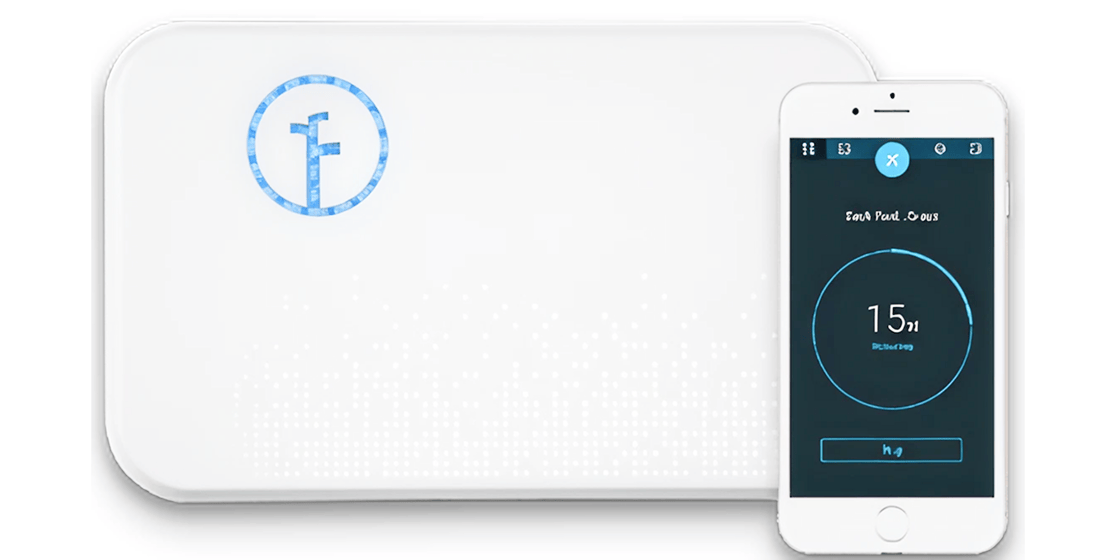
Approximately 60% of an average home’s water consumption goes toward the landscape. Cut down on your home’s water use with one or more of our outdoor rebates.

Grass is so last decade. Replace that old lawn with something unique and you could qualify for a rebate. Residential customers could receive up to $5 per square foot for removing lawn using potable water.
The more you know, the less you waste
Sign in to your online account and get a personalized home water use analysis.
Join the thousands of households and businesses using this program to stay smart about their water use.
Get notified when there is a spike in your water usage and receive information on how to check for leaks around your home.
See where and when you are using the most water, and get a report to see your WaterScore (sample shown).