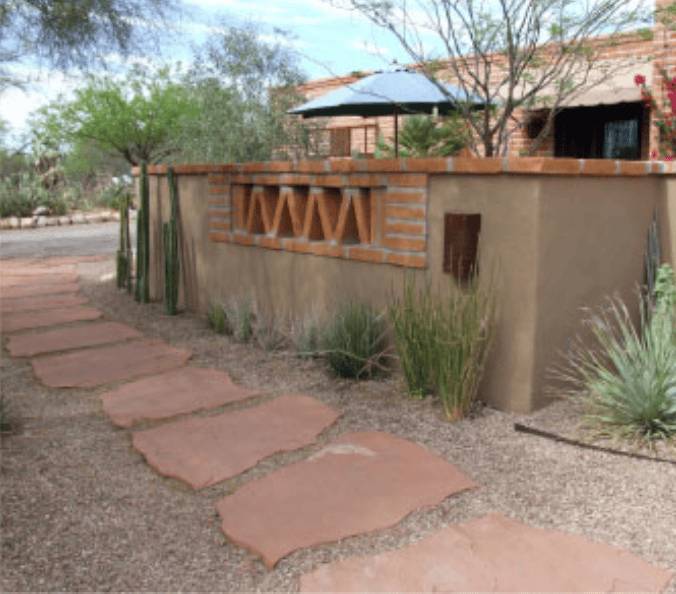

What is Sustainable Landscaping?
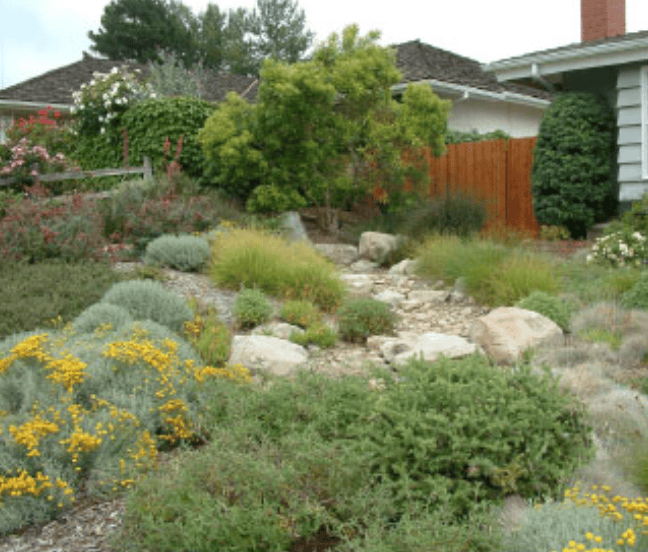
Sustainable landscaping is a term coined to mean sensible landscape practices that operate within the limits of the Eco-system. These landscape practices work within the limits of your local rainfall, soil conditions and sun patterns. When designed correctly, a sustainable landscape will not only be beautiful but will need a bare minimum of additional resources in the form of water and soil amendment to be vital and attractive.
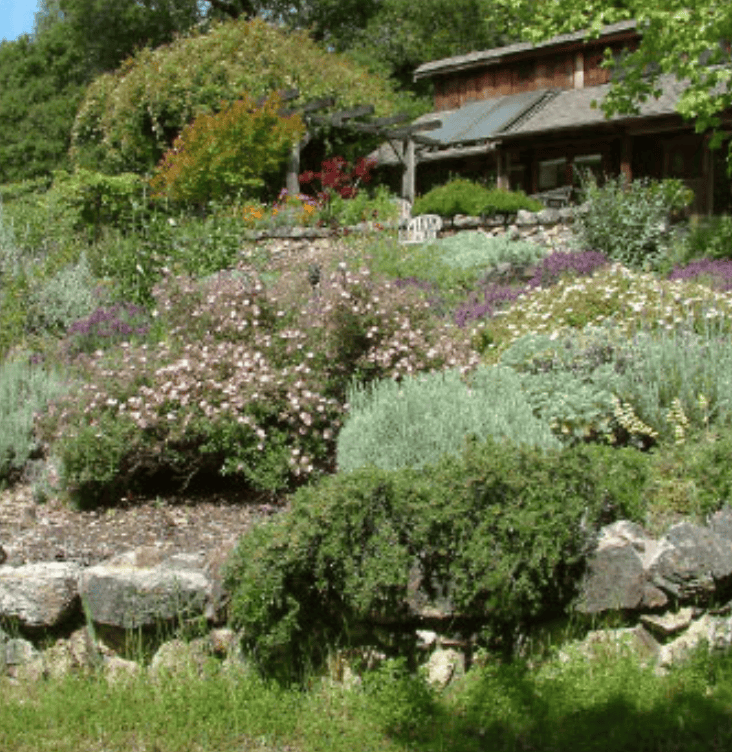
A sustainable landscape is free of toxins and chemical fertilizers that have proven to be so damaging to the watershed when concentrated after rainstorms. In a word, sustainable landscaping is nothing other than doing things as closely as possible with our natural system which makes the garden self-sustaining, hence sustainable.
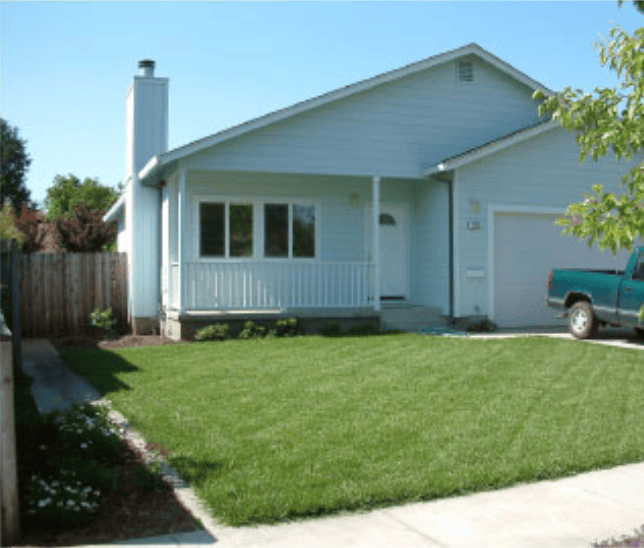
Typical landscapes feature large turf areas that require gas powered or electric powered equipment to maintain. Plants sold at the local nursery are often planted in inappropriate places without consideration of their sun, soil and water needs. Conventional landscaping destroys soil and plant health by employing chemical fertilizers and pesticides to solve problems. Rain and irrigation water concentrate and transport these chemicals down street gutters and into community storm drains, which carry them down stream, creating a toxic brew.
This pollution is harmful to wildlife and ultimately, ourselves. Water conservation is critical to sustainability. Water is one of our most precious resources and nationally, the average water wasted outdoors is 50%. That’s right, half the water most people put on their gardens never gets to its intended target. It is lost in run-off and evaporation.
What is Sustainable Landscaping?
These brief fact sheets are intended to help you get starting turning your garden space into a sustainable landscape with an increase and not a decrease in beauty. There are many resources available to you to accomplish this task. Many water agencies offer classes and workshops for guidance. The landscape industry is full of trained professionals that have both turn-key services or can guide the “do-it-yourselfer”.
Your work can proceed from one section of the garden fact sheets to another as time and money will allow. In the end, a sustainable landscape will be cost effective and will save you money in reduced maintenance and materials costs. And lastly, there is the satisfaction of knowing that you have managed your little section of the environment in a manner beneficial to future generations.
Save Money:
- Lower water bill
- Reduced maintenance costs
- Reduced costs from purchasing pesticides and fertilizers
- Reduced energy costs from power equipment
Sustainable Garden Hidden Benefits:
- Entertainment factor of the ever changing landscape
- Habitat creation for birds, butterflies, and beneficial insects
- Teach children how to landscape responsibly
- Page 2- Steps to creating a sustainable landscape
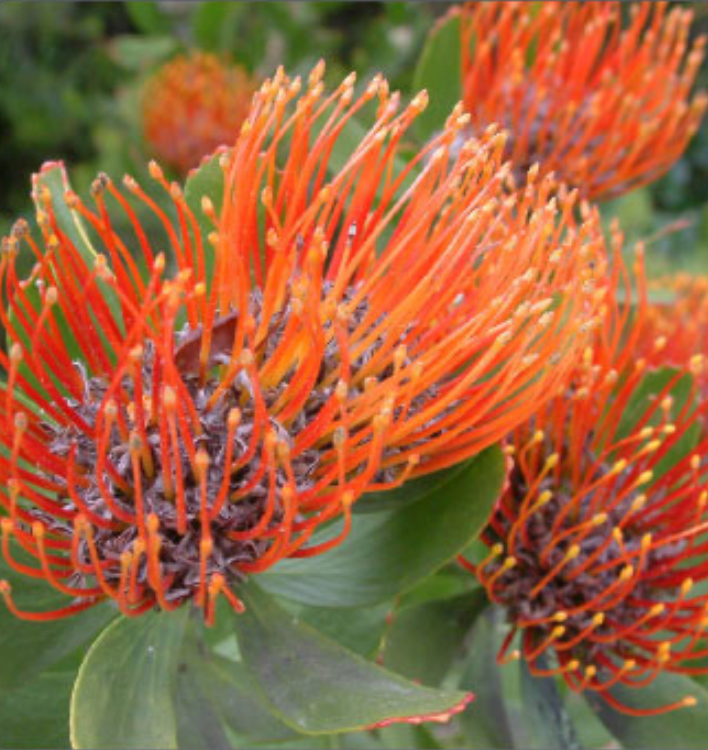
Healthy Soil Leads to Healthy Plants
Just like good food helps build strong bodies, good soil provides a strong growing medium for healthy plants. Strong plants resist the challenges of pests, disease and drought far better than weak ones. There is a natural cycle of the soil enrichment between plants and the soil. Seasonal leaf drop revitalizes the soil with organic matter and spurs decomposition. Organisms in the soil break down these natural materials to complete the cycle. This cycle can be sustained and enhanced with proper soil management.
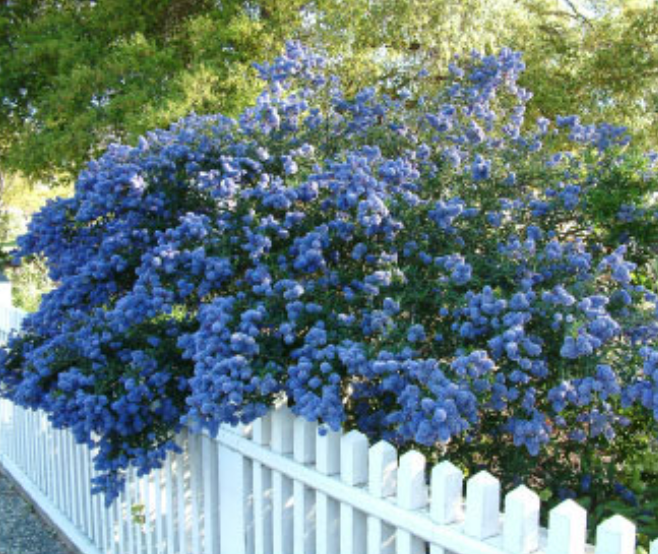
Putting Plants in the Right Places
Just like good food helps build strong bodies, good soil provides a strong growing medium for healthy plants. Strong plants resist the challenges of pests, disease and drought far better than weak ones. There is a natural cycle of the soil enrichment between plants and the soil. Seasonal leaf drop revitalizes the soil with organic matter and spurs decomposition. Organisms in the soil break down these natural materials to complete the cycle. This cycle can be sustained and enhanced with proper soil management.
Water Wisely
Most people over water by a wide margin. Half the water used residentially finds its way into the gutter and storm drains due to run off. Irrigation systems are machines and require maintenance and repair. New irrigation technologies have advanced our water efficiency dramatically. Look into new rotor heads, drip systems and smart controllers. Check your irrigation system for breaks and leaks monthly and above all, change your controller based on the weather.i
Smart Pest Management
Your first line of defense are healthy plants. There are many approaches to natural pest and weed management; when integrated, it can help avoid the need for pesticides and herbicides. Selecting plants adapted to our climate is the first step to avoid difficulty with pests, weeds, or disease.
Other approaches include:
- Using cultural controls such as removing irrigation water and fertilizer from areas where you don't want weeds to grow.
- Using less toxic herbicides such as herbicidal soaps and vinegars.
- Using physical controls such as manual removal with tools or smothering weeds with a mulch barrier.
- Use biological controls, such as selecting competitive, desirable plants that make it hard for weeds to grow or attracting beneficial insects to control insect pests.