

Managing Pests Naturally
Are pests bugging you? If pests are taking over there might be a good reason! Instead of grabbing that bottle of spray, consider using techniques that can solve your pest problems without toxic pesticides. These pest management techniques, collectively known as “Integrated Pest Management” or IPM, can help get rid of indoor and outdoor pests without harming your family, pets, or the environment.
A garden that is designed and maintained using sustainable landscaping practices will have healthy plants that are less susceptible to pests and diseases.
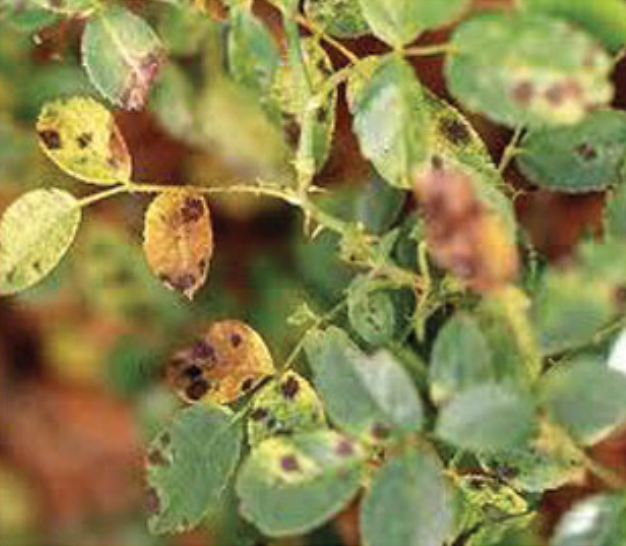
Cultural Controls
No welcome mat for pests!
Cultural controls are basic practices that prevent or reduce pest problems. For example, cultural practices for aphid control are:
- Fertilize less. Aphids are attracted to tender new growth. Use slow release plant or animal based fertilizers to provide nitrogen slowly and steadily.
- Include in your garden flowering plants that attract insects that prey on and parasitize aphids.
- Eliminate the use of pesticides in your garden to avoid killing natural enemies of aphids.
Physical Controls
Block that Bug!
Physical controls are mechanical or physical barriers prevent pests from contacting the plant or remove them from the plant. For example, physical controls for controlling aphids are:
- Wash aphids off with water.
- Check susceptible plants frequently for colonies and remove them.
- Prune infested parts of plants.
Biological Controls
Don’t Squash that Bug!
These techniques use the pests’ natural enemies (such as ladybugs) to control them. Some examples of biological control of aphids include:
- Bring in natural predators by planting flowering plants.
- Encourage natural predators to stay in your garden by not using pesticides.
Chemical Controls
Your Last Resort!
Chemical controls or pesticides are used only when all other techniques fail and if you feel it is absolutely necessary to save the plant that is affected. If you have to use pesticides, choose the least-toxic option available. Some examples of less-toxic pesticides for aphid control are:
- Insecticidal soap
- Neem oil
Most retail hardware stores and nurseries carry less-toxic pesticides.
When you are buying pesticides, look for “shelf talkers” that make it easy for you to choose a less-toxic product. Shelf-talkers are labels placed on store shelves, in front of a product, to help you identify less-toxic products. The product name is listed in the white space.
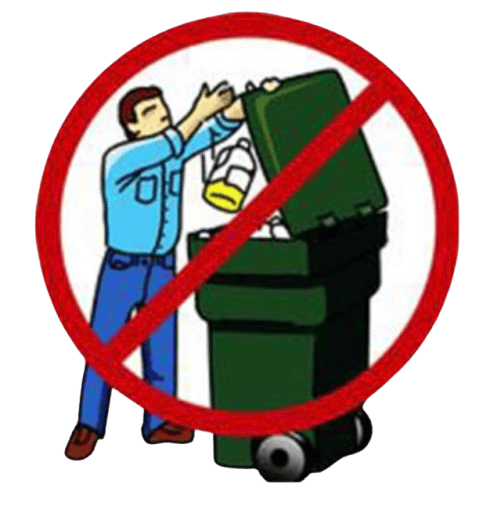
Disposal of Pesticides
It is best to use up pesticides and fertilizers or give them to a friend or community group that will use them. Old or unused pesticides, fertilizers, and other household hazardous waste can be taken to a household hazardous waste drop-off site free of charge. Contact your local solid waste department for details.