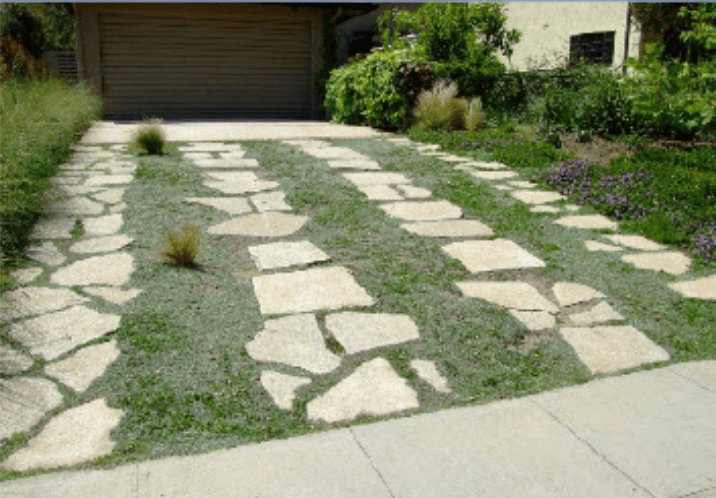
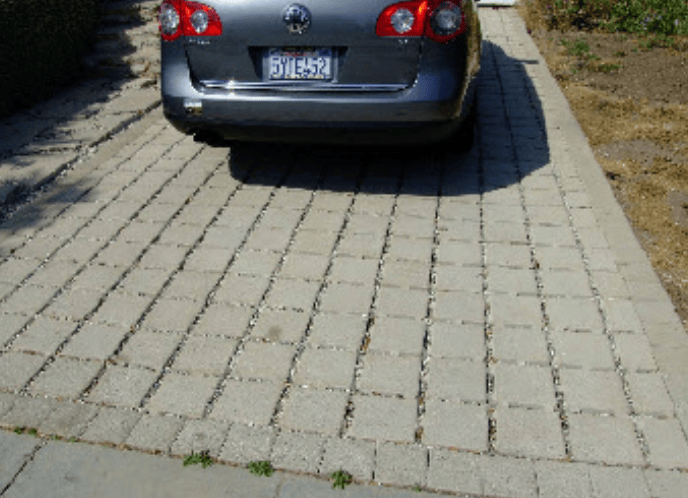
If you have impermeable paving that you would like to make permeable, there are two main methods for doing so:
Break up hard paved surfaces to create spaces for water to seep through.
Remove and replace the surfaces with permeable paving.
Either method allows water to soak into the soil, reducing runoff and increasing groundwater recharge. This practice also helps reduce the heat island effect (an increase in ambient temperature from heat-retaining buildings and paved surfaces). These methods will lower the surrounding temperature and reduce the need for air conditioning.
Contouring the landscape to hold water back in places helps generate percolation.
Walkways
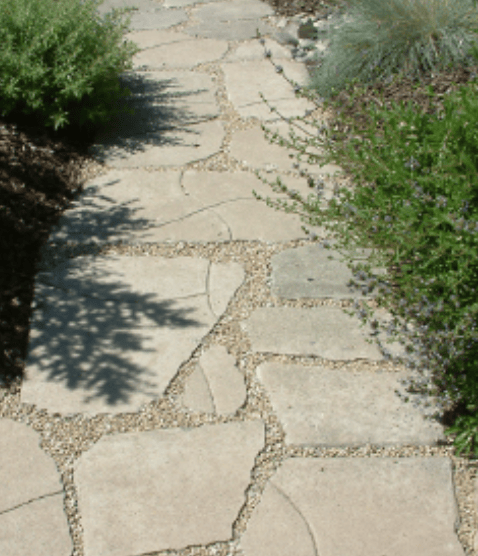
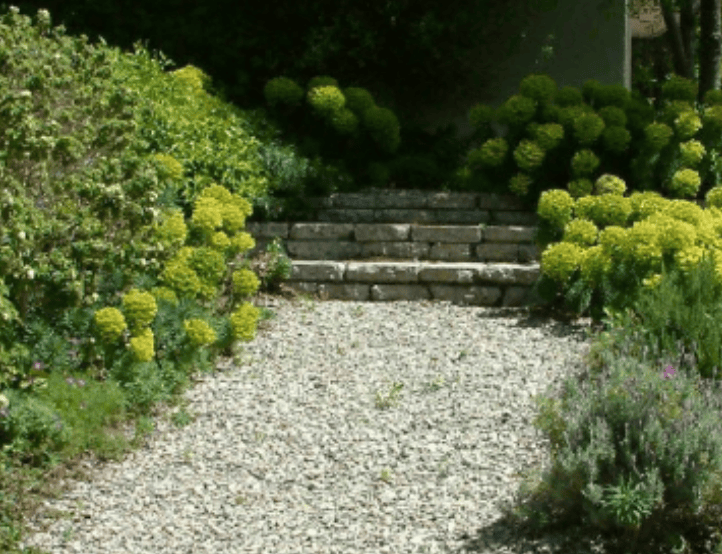
Walkways that use materials like bark or gravel are permeable. Stepping stones can be used with a permeable filler like gravel or mulch.
Driveway Examples
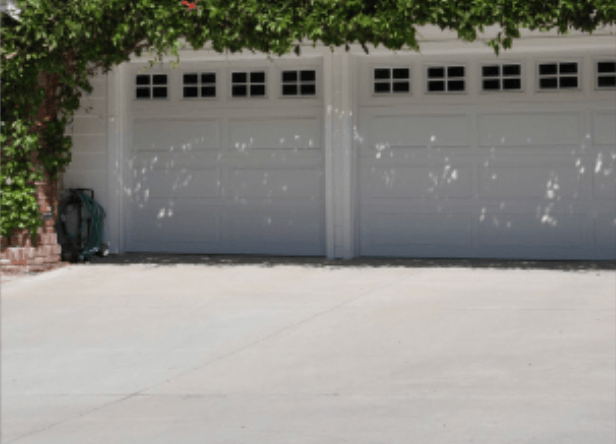
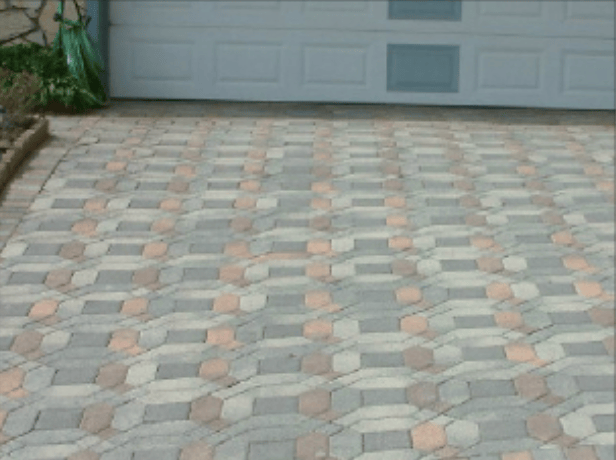
Concrete and asphalt driveways can be replaced with permeable asphalt, pavers and drive on surfaces.
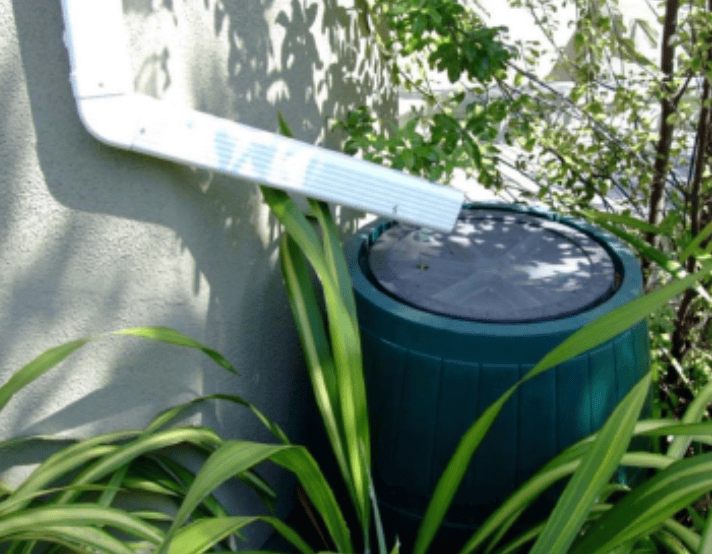
Water Harvesting
Water from down spouts can also be captured in rain barrels.