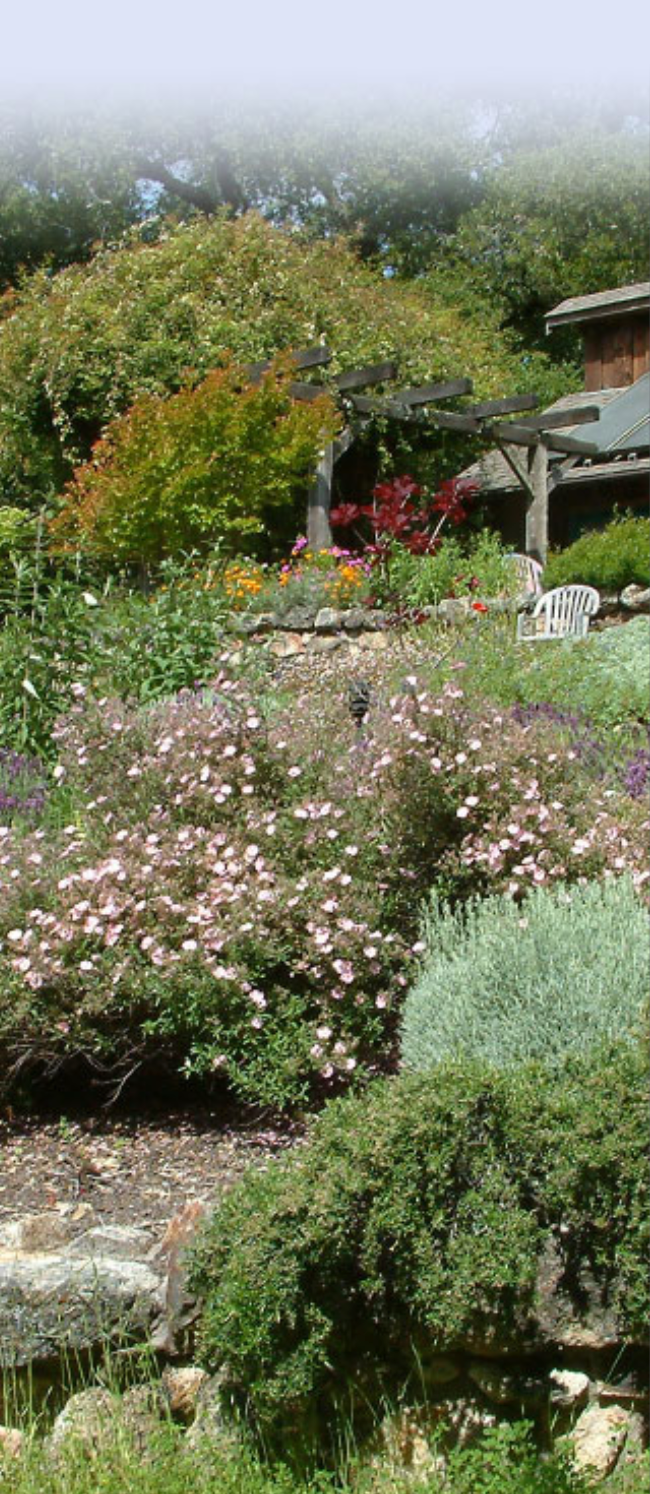

The natural world works in cycles. Everything is changing form and moving from place to place in an endless energy exchange system. The leaves and twigs that fall to the ground, not to mention other life forms that might die, decompose and combine with water, air and minerals of the soil to create a medium for future plants. The decomposition process is conducted by numerous organisms large and small (micro-organisms) that break down organic matter into its constituent parts. These nutrients are critical for new plant growth. In short, healthy soil leads to healthy plants.
Using Compost in Your Garden
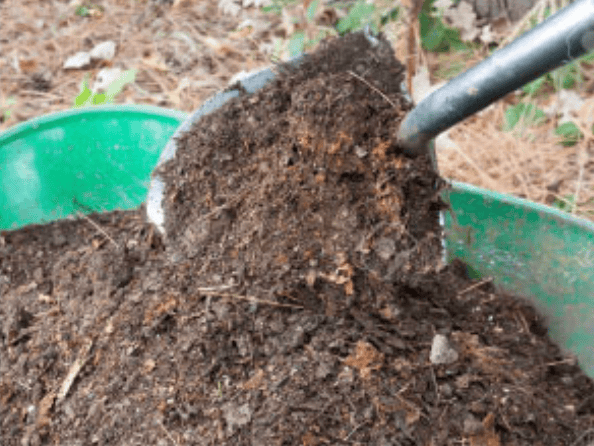
When planting in general, use a 1 to 3 ratio of compost to excavated soil after digging the hole. Place this mix of soil and compost in the hole a minimum of a couple of inches deep (more if you are willing to dig deeper). Set the root ball from the container into the hole, back fill around the plant and make a basin to hold in water around the drip line of the plant with this composted soil. You will have extra soil because of the displacement of the new plant’s root ball. The basin will help to funnel water into the root system while the plant is getting started. In clay soils, the compost will improve aeration and drainage; in sandy soils, compost will help the soil retain water and nutrients.
For Lawns
Apply a very finely screened layer of mulch to the surface of the lawn and rake it in with a soft rake. Water it to stimulate the decomposition process and refrain from mowing for a couple of weeks to allow the compost to bond with the soil. Lawns are like crops which are pulling nutrients out of the soil constantly. To replenish these nutrients, you must return some organic matter back to the soil for healthy turf. Compost accomplishes this task. It is a good idea to do a good aeration (call a professional or rent an aerator machine from a local rental company) prior to going through this process. Ideally, it would be excellent to aerate and compost your lawn every year. Healthy soils allow water to percolate and are less prone to evaporation as a result.
Existing Garden Beds and Shrub Borders
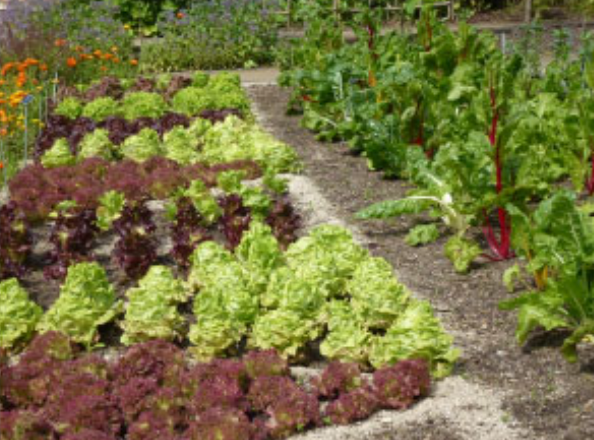
Apply one to two inches of compost around the plants to be worked in with a garden fork. The compost will leach its way into the soil as it decomposes, further creating nutrients for the growing plants. The compost will hold in water and protect it from evaporation. It also suppresses weeds by blocking sunlight needed for their growth.
Compost Benefits
- Reduces the need for harmful chemical fertilizers
- Improves drainage and water retention
- Conserves water
- Reduces plant stress and therefore susceptibility to disease and infestation
- Provides food for all micro-organisms in the soil
- Binds and degrades pollutants
Steps to Creating Compost
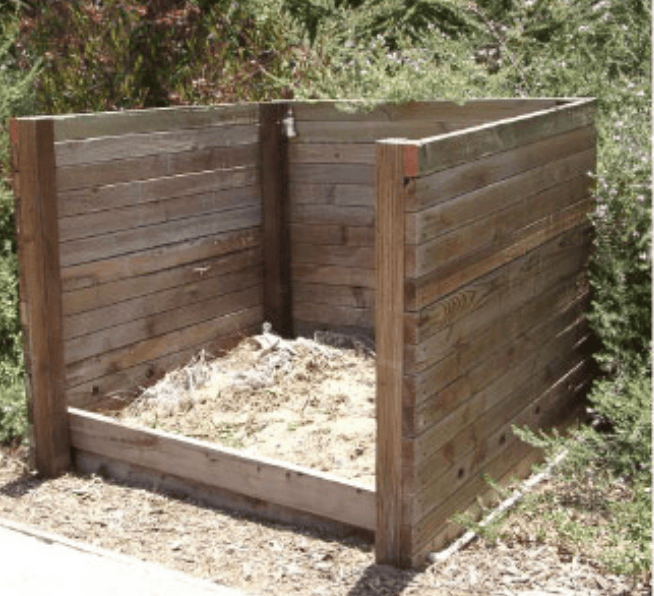
- Find a suitable location: If you have a large property, you can maintain a compost pile at some distance from the home but for most of us who live in smaller spaces, having some sort of container is desireable. Most people keep a compost bin in a side yard or near the trash area.
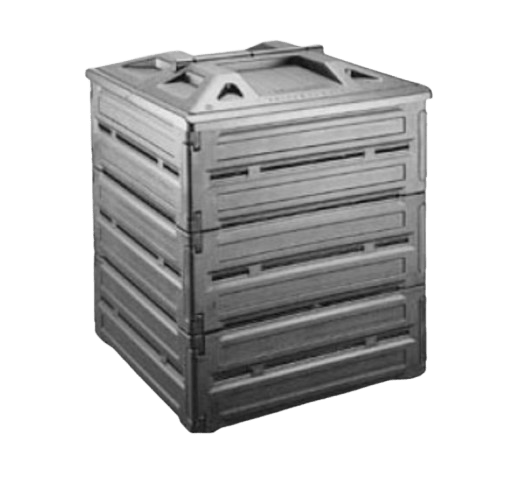
- Find a suitable container for the compost pile. They come in hundreds of shapes and sizes and can be purchased at your local nursery or home improvement supermarket.
- Start your compost pile with three main ingredients: brown leaves, green leaves and dirt, hopefully in equal proportions.
- Avoid things that do not rot easily like meat, bones, cheese and greasy things. They also attract rodents and wildlife.
- If you only have green plant material, you can use newspaper, straw, shredded cardboard as a carbon source.
- Start layering
Layer one — organic materials: These include vegetable wastes, hay, sod, straw, grass clippings, leaves, untreated sawdust, chopped corncobs, corn stalks, small twigs, or garden debris. Put the bulkier items at the bottom of the pile, and lighter materials on top.
Layer two — manures, fertilizers, and starters: This is the catalyst so to speak, that starts the composting process. Manures, fertilizers, and starters provide nitrogen for your microbial army.
Layer three — topsoil: Avoid sterile potting soils or those soils treated with insecticides, as these do not contain or nurture much-needed microbes.
- Provide air flow with layers of coarser material
- Stir and agitate the pile periodically
Is Compost a Substitute for Fertilizer?
Yes, it can be. The difference between chemical fertilizers and compost is that compost feeds all of the soil’s ecosystem and therefore enriches the whole community of organisms in the soil. Fertilizer is designed just for the plants and extracts extra minerals out of the soil without putting anything back.
It is similar to the difference between a healthy meal and a candy bar. Both will supply energy but one is short lived and the other is sustainable.